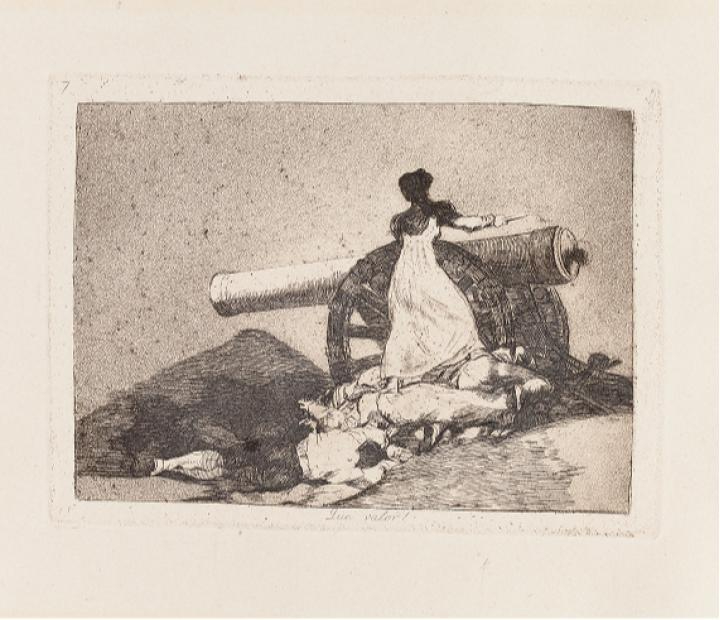
Francisco de Goya lived through a turbulent and decisive period in history, and his work cannot be understood in isolation from the profound political, social and cultural changes that shaped Spain between the late 18th and early 19th centuries. His era was one marked by the crisis of the Ancien Régime, the clash between the Enlightenment and tradition, and the emergence of violence as a collective experience.
Goya was born in 1746 during the reign of the Bourbons and was brought up in the reformist atmosphere of enlightened despotism. During the reign of Charles III, Spain experienced an intellectual opening driven by reason, science and education. This climate influenced the painter, who shared many Enlightenment ideas and initially placed his faith in progress as a means of social improvement. However, these hopes were soon to be dashed.
The reign of Charles IV marked a period of growing instability, exacerbated by the French Revolution and its aftermath. Fear of revolutionary ideas, censorship and the strengthening of the Inquisition created an atmosphere of mistrust and repression. Goya, by then a court painter, witnessed first-hand the political and moral decline of the monarchy, a perception reflected in the increasingly critical and sombre tone of his work.
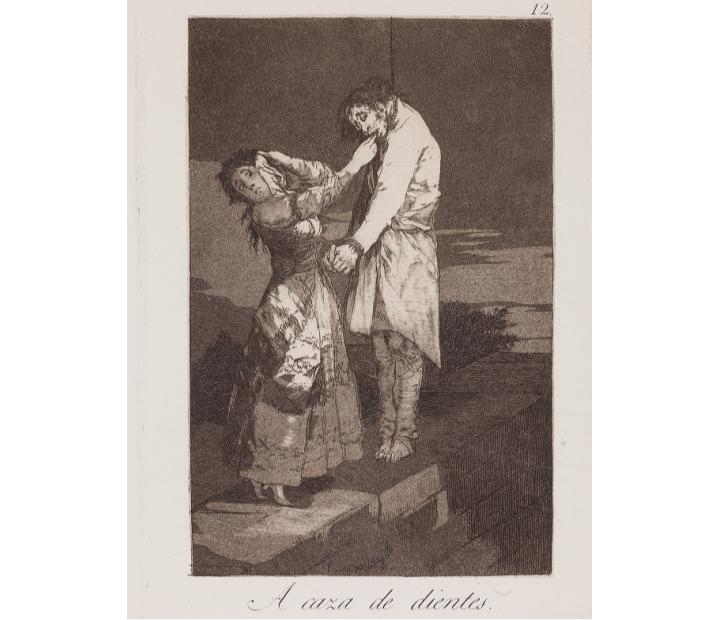
The most traumatic event of his time was the War of Independence (1808–1814), following the Napoleonic invasion. Goya experienced the violence in Madrid and witnessed the collapse of social order. Far from glorifying war, he depicted it as a human tragedy without heroes, marked by suffering, fear and cruelty. This experience radically transformed his view of the world and of human nature.
After the war, the absolutist restoration of Ferdinand VII definitively dashed liberal aspirations. Political repression, exile and the persecution of the Enlightenment thinkers plunged the country into an oppressive atmosphere. Against this backdrop, Goya turned to a more introspective and bitter body of work, culminating in his later years with a dark and disillusioned art.
The historical era in which he lived made Goya a privileged witness to the transition towards modernity, but also to its failures. His work is, in essence, a visual chronicle of an era marked by hope, violence and disillusionment, and as such constitutes one of the most profound artistic testimonies in the history of Spain.